A living humanitarian atlas

Understand the world.
Recognize our shared humanity.

Explore what is happening, meet the people it affects, and discover credible ways to help.

Flood and landslide emergency

Nepal

More than 1,250 people have died and thousands remain missing after catastrophic floods and landslides; a $49.6 million appeal aims to reach 84,000 people before winter.

Drag to rotate · Scroll to zoom

Live alerts refresh every 12 hours. Editorial features are published only when dated within the last 90 days.

Scroll to a human story

Places in focus

Every place holds a deeper story.

Places are arranged by current severity, scale, access constraints and urgency, with the most critical first. This guides attention; it does not rank the value of people or lives.

Browse every place18 places

Swipe the labels or use the arrows to explore

Humanitarian affairs brief · 4 September edition

Eight developments shaping the response now.

Major developments reviewed through 4 September 2026. Each item separates what has been reported from what it changes operationally.

Residents and rescue workers search through earthquake rubble in Colombia.
Photo: AP/Santiago Saldarriaga
01

Reconstruction begins · Colombia

A national emergency is becoming a long reconstruction measured in homes, schools and water systems.

What is confirmedThe 2 September national update recorded 466,606 people and 293,743 families affected across 497 municipalities in 16 departments. Authorities counted 36,336 homes destroyed and 201,005 damaged, with thousands of other buildings still under structural assessment.

Why it matters operationallyEmergency assistance continues while the recovery and reconstruction phases begin. Chocó’s rainforest terrain, river access and pre-existing conflict require different housing and infrastructure solutions from connected urban areas, with transparent oversight of budgets and timelines.

Read the Government of Colombia · 2 September
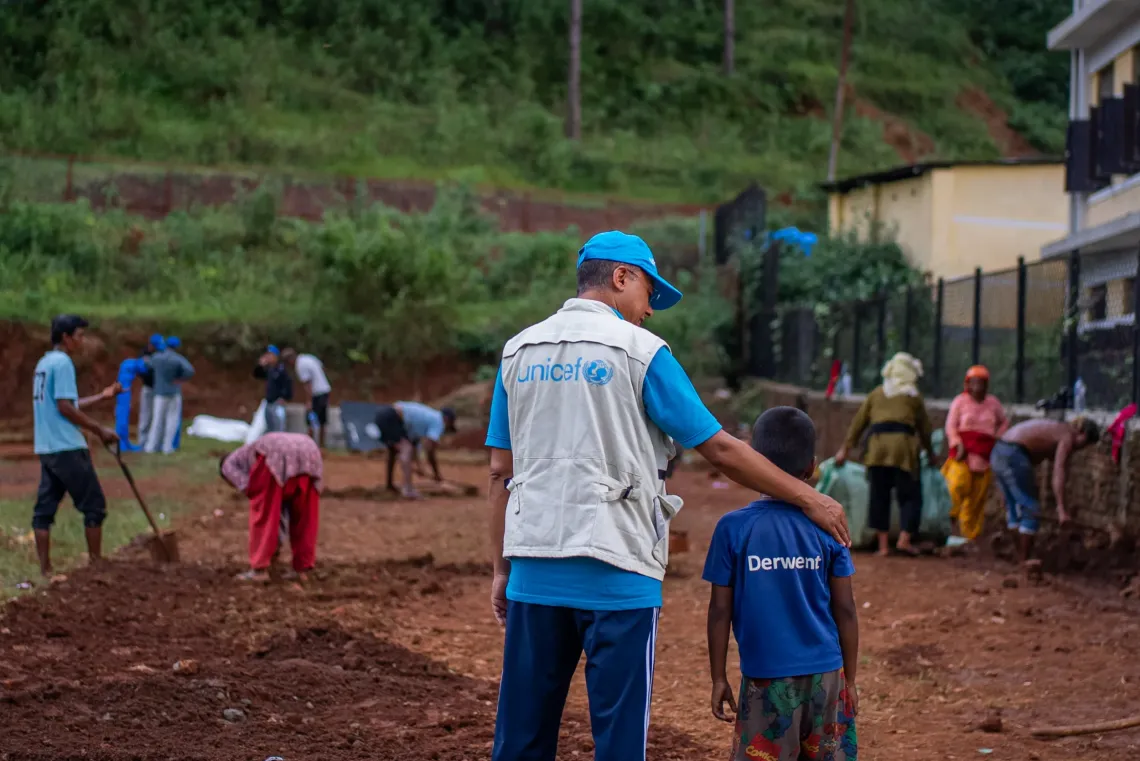
Emergency supplies are prepared in Kathmandu for flood-affected communities in Nepal.
Photo: WFP/Shraddha Bhattarai
02

Sudden-onset emergency · Nepal

Flash floods and landslides have cut off mountain communities while search operations continue.

What is confirmedOn 4 September, the United Nations reported that the 26 August floods and landslides had claimed more than 1,250 lives, left thousands missing and displaced entire villages across Rasuwa, Nuwakot and Dhading. A US$49.6 million flash appeal aims to reach more than 84,000 people.

Why it matters operationallyWinter is now an operational deadline. Priorities include cold-weather shelter, cash where markets function, solar power, restored water systems, mobile clinics, family tracing, food and livestock protection for isolated high-altitude communities.

Read the United Nations in Nepal · 4 September
A newly constructed Ebola treatment centre in Bunia, DR Congo.
Photo: WHO/Grainne Harrington
03

International emergency continues · DR Congo

Ebola is still expanding faster than control operations can contain it.

What is confirmedWHO recorded 5,794 confirmed Bundibugyo Ebola cases and 2,786 deaths by 26 August across 60 health zones in six provinces. New field reporting on 3 September shows how community dialogue in Bunia is helping families recognize symptoms, accept referral and participate in safe, dignified response measures.

Why it matters operationallyThe outbreak remains a public health emergency of international concern. The response must accelerate early detection, community referral, contact follow-up, safe burial, treatment, infection control and cross-border readiness, while ensuring that ordinary health care continues and travellers are not stigmatized.

Read the WHO and WHO Africa · 3 September
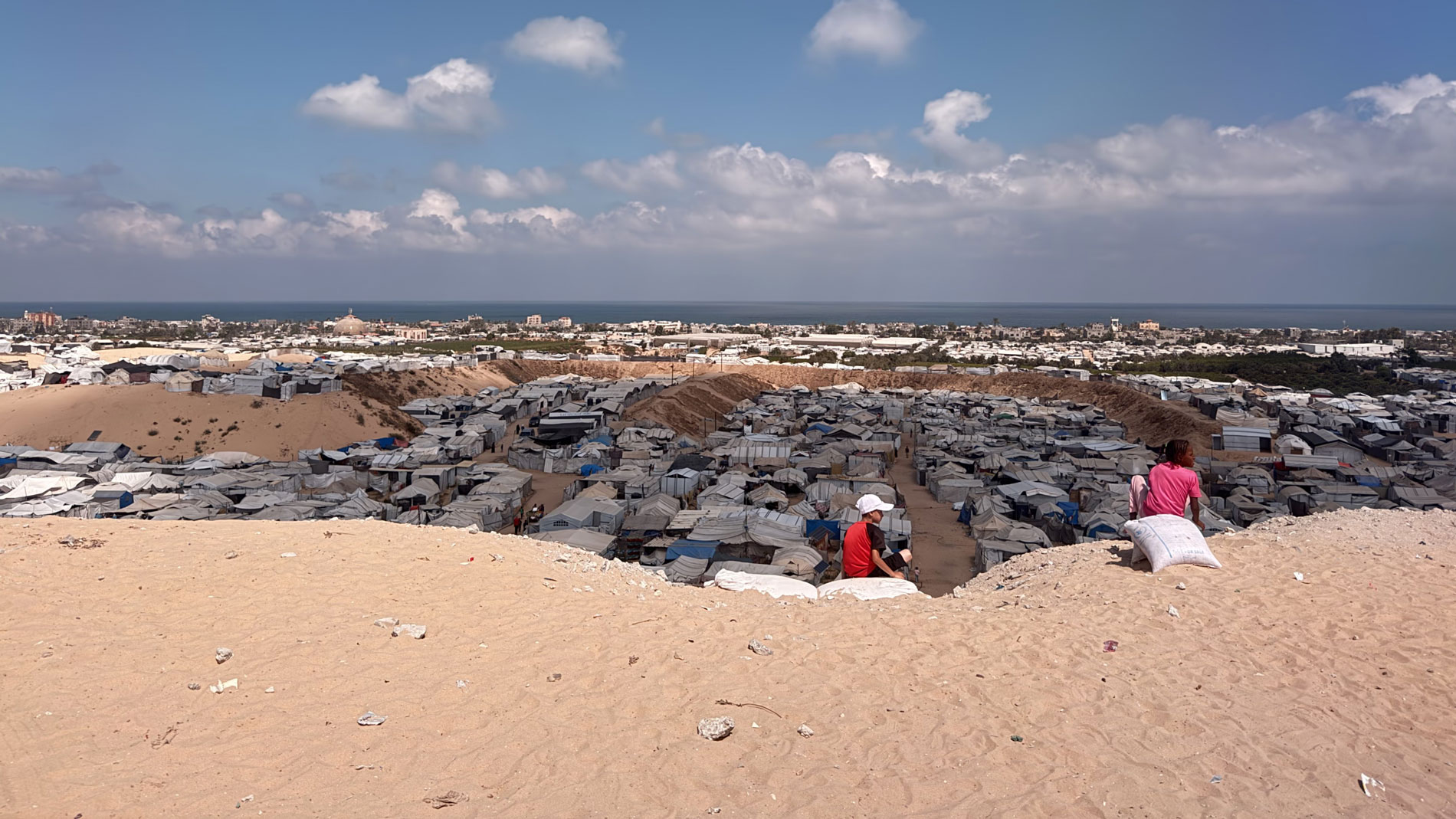
Palestinian children overlook a crowded displacement site in the Gaza Strip.
Photo: OCHA
04

Genocide and humanitarian emergency · Gaza

The genocide in Gaza is reshaping every condition of Palestinian life.

What is confirmedA United Nations Commission of Inquiry concluded in June that Israeli authorities and security forces have committed and continue to commit genocide in Gaza. Israel rejects that finding. The International Court of Justice has ordered provisional measures in the genocide case but has not issued a final judgment on the merits.

Why it matters operationallyThe legal finding and the humanitarian reality belong in the same frame. OCHA reported on 28 August that 1.98 million people need shelter support, 58 per cent face critical or catastrophic shelter needs, and around two-thirds of Gaza remains inaccessible or severely restricted to humanitarian operations.

Read the UN Commission of Inquiry and OCHA · June–August
Haitian residents waiting outside a community medical clinic.
Photo: Teresa Frith / U.S. Navy · Public domain
05

Child malnutrition rises · Haiti

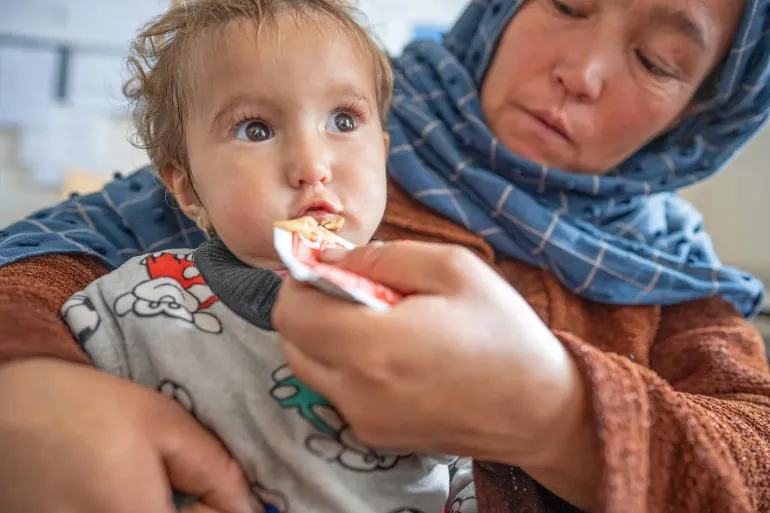
Nearly one in thirteen young children is acutely malnourished as violence restricts care.

What is confirmedA national nutrition survey released 28 August found acute malnutrition among children aged 6–59 months rose from 5.1 per cent in 2023 to 7.4 per cent in 2026. UNICEF’s nutrition response remains more than 64 per cent underfunded while armed violence limits food, health and humanitarian access.

Why it matters operationallyScreening must connect quickly to treatment, especially through mobile teams in insecure areas. Ready-to-use therapeutic food, community health workers and reliable clinic access are decisive because severe acute malnutrition can become fatal when illness and delayed care coincide.

Read the UNICEF · 28 August
Women receiving care at a clinic in Afghanistan.
Photo: NATO Training Mission-Afghanistan · CC BY-SA 2.0
06

Hospitals overwhelmed · Afghanistan

The youngest children are arriving faster than nutrition wards can safely absorb them.

What is confirmedUNICEF reported on 25 August that 3.7 million children are suffering from wasting, including around one million with life-threatening severe acute malnutrition. More than half a million children have been admitted for high-risk moderate or severe wasting this year; some southern hospitals see three or four severely malnourished children for every bed.

Why it matters operationallyTreatment capacity, female health workers, community screening and referrals must expand together. Flood-affected and remote families face the highest delay risk, while funding cuts have already reduced nutrition and health services during peak wasting season.

Read the UNICEF · 25 August
Volunteers preparing support near a Polish border station for people fleeing Ukraine.
Photo: Pakkin Leung · CC BY 4.0
07

Child casualties accelerate · Ukraine

July’s child casualty toll was the highest in more than four years, followed by new mass-casualty attacks.

What is confirmedUNICEF reported at least 16 people killed and more than 140 injured, including 23 children, in the 21 August attack on a shopping centre in Kryvyi Rih. July had already recorded 17 children killed and 166 injured, 49 per cent more child casualties than June.

Why it matters operationallyEmergency care and psychosocial support must be paired with repair of homes, schools and utilities far from the front line. Long-range attacks are widening the geography of risk and repeatedly interrupting recovery in communities receiving displaced families.

Read the UNICEF · 25 August
Earthquake damage in Reo on the Indonesian island of Flores.
Photo: AP/Firdia Lisnawati
08

Displacement and recovery · Indonesia

Housing recovery has started before the emergency period has ended.

What is confirmedBy 23 August, Indonesia’s disaster agency had recorded 53,971 damaged homes. On 24 August, 237 people left the central shelter at GOR Samador after their homes were assessed as safe, while reconstruction teams were deployed across seven affected districts before the emergency period ended.

Why it matters operationallyReturns must follow structural safety checks rather than pressure to empty shelters. Standardized damage assessments, named household records, temporary housing and restored clinics and schools are the bridge between national infrastructure repair and a recovery families can actually inhabit.

Read the BNPB Indonesia · 24–27 August

Figures in active outbreaks and disaster responses change quickly. Sapiens preserves the source date, links to the originating publisher and updates confirmed totals without treating provisional figures as final.

Lives, not statistics

Stories
worth staying with.

These accounts are summarized from the original humanitarian publishers. Names, testimony and photographs remain with their sources.

Emergency supplies are prepared in Kathmandu for communities cut off by floods and landslides.Photo: WFP/Shraddha Bhattarai
01

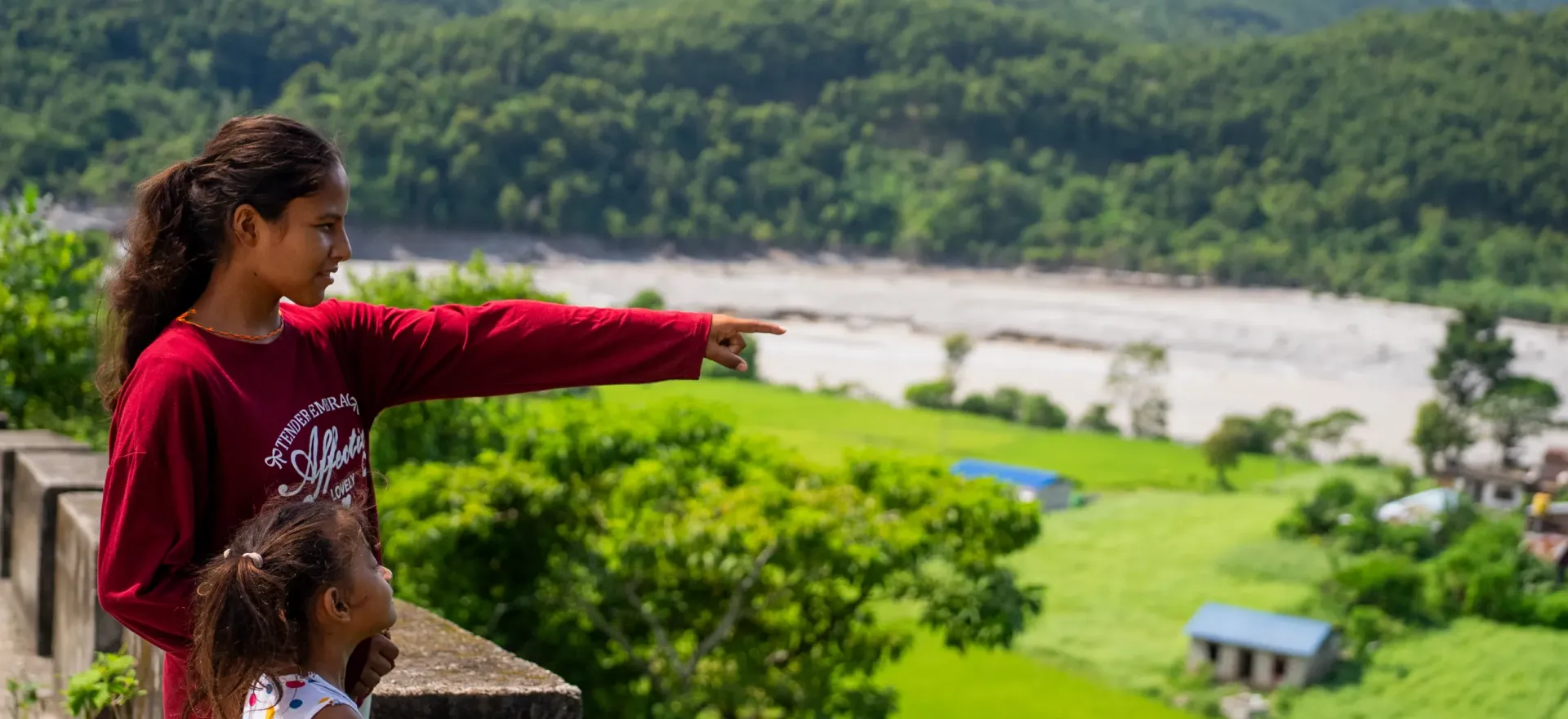
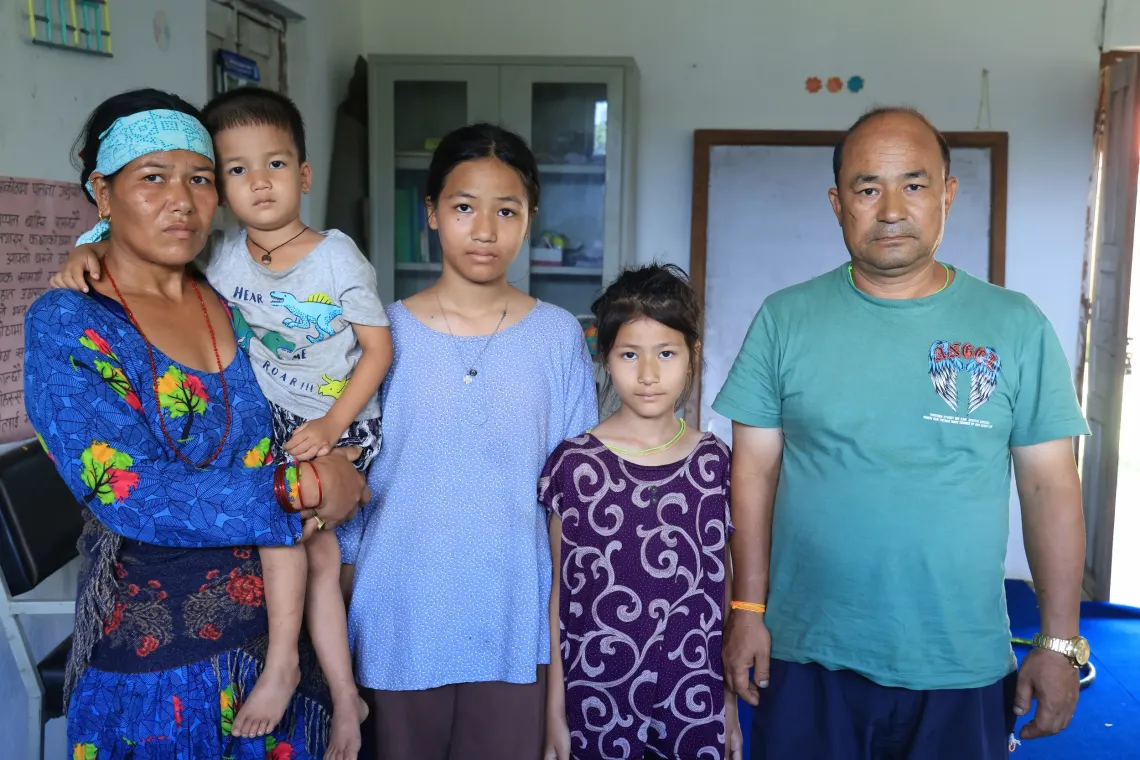
When the water reached Bhaise, the hill became the way out

In Nuwakot, a thirteen-year-old carried her younger brother through the jungle as floodwater erased the family home. Their reunion is one human story inside an emergency that had claimed more than 1,250 lives by 4 September and left entire mountain villages displaced before winter.

Read the full story on Sapiens
The Ebola treatment centre constructed by WHO in Bunia, DR Congo.Photo: WHO/Grainne Harrington
02

The vaccines arrived before the outbreak reached its peak

The first Ebola vaccine doses have reached DR Congo, but WHO says the outbreak remains an international emergency. Their arrival is one part of a response built from laboratories, treatment centres, safe water, trusted referral and the speed required to reach people before illness becomes severe.

Read the full story on Sapiens
A man examines a building that collapsed during the Flores earthquake in Reo, Indonesia.Photo: AP/Firdia Lisnawati
03

After the ground moved, the road to help became part of the emergency

A magnitude 7.7 earthquake killed 83 people and displaced more than 110,000. On Flores, restored roads and power have changed what responders can reach, but tens of thousands of damaged homes mean infrastructure recovery and household recovery are moving at very different speeds.

Read the full story on Sapiens
Palestinian children sit on a sandy rise overlooking a crowded displacement site in Gaza.Photo: OCHA
04

Between every water delivery is the question of whether the next one can arrive

OCHA reported that 90 per cent of Gaza’s population experienced moderate-to-high water insecurity in early July. Kitchens and bakeries continued producing food at scale, but water, spare parts, safe access and functioning waste systems remained painfully fragile.

Read the full story on Sapiens
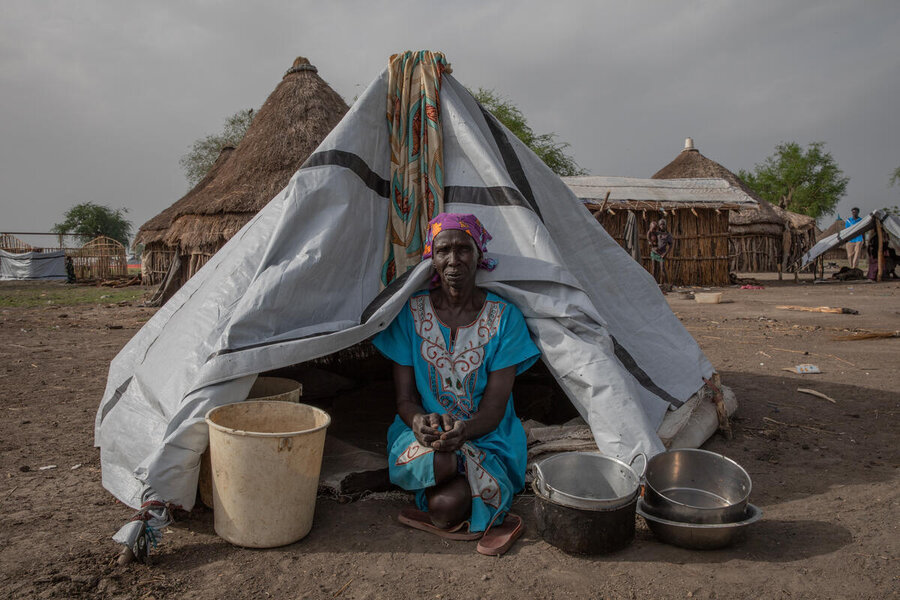
A woman stands beside temporary shelter in South Sudan.Photo: WFP/Gabriela Vivacqua
05

For 240,000 refugees, September may be the last ration

WFP and UNHCR warn that food assistance for 240,000 highly vulnerable refugees in South Sudan could stop after September. The cutoff would arrive during the rains, while new families continue crossing from Sudan and host communities are already under severe pressure.

Read the full story on Sapiens
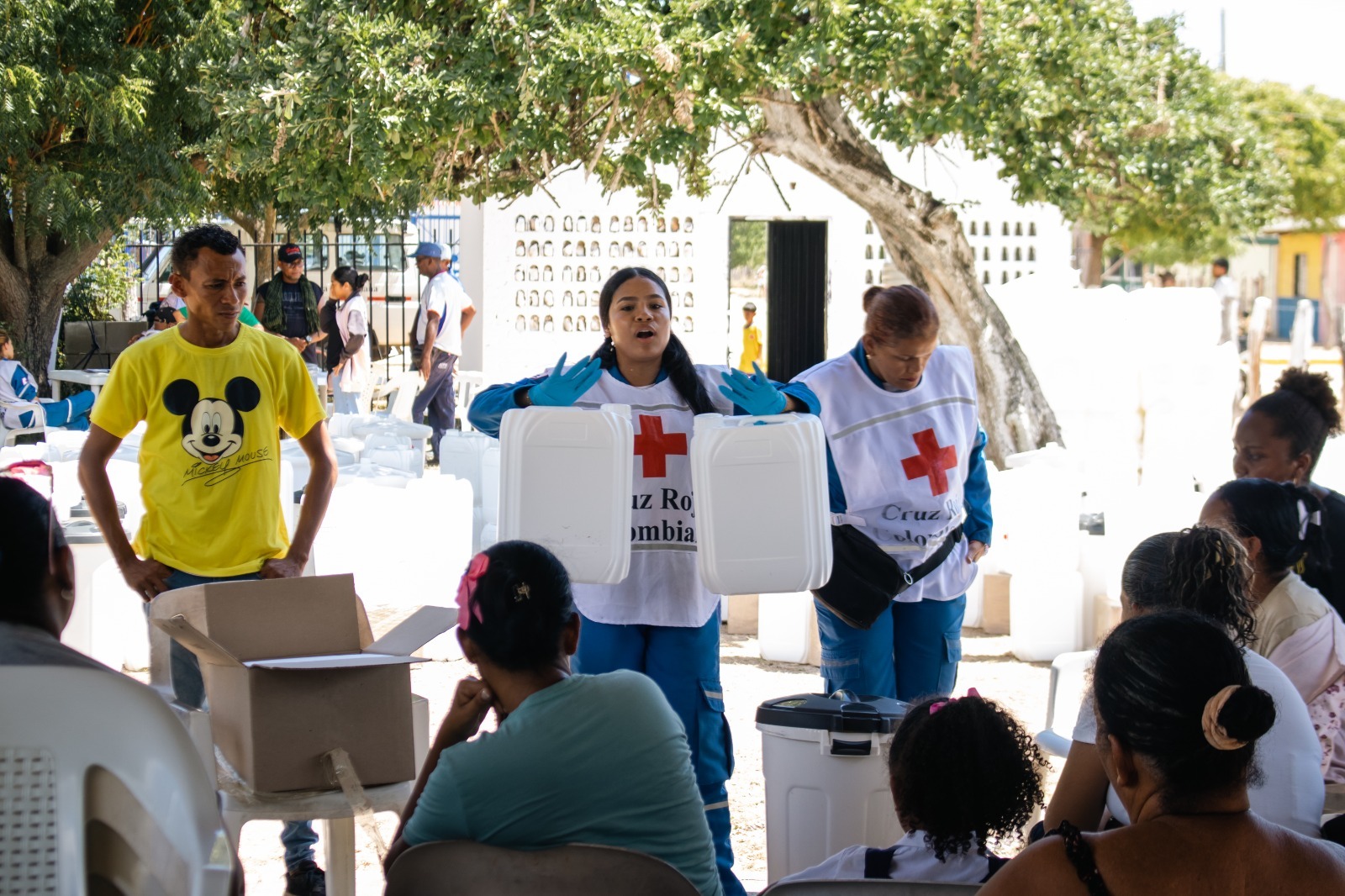
A Colombian Red Cross worker helps families prepare safe-water storage kits before drought conditions intensify.Photo: Colombian Red Cross / IFRC
06

Forecasts become clean water before drought arrives

In Tolima and Cesar, the Colombian Red Cross is turning El Niño forecasts into early action: safe-water kits, support for crops and livestock, and cash before shortages become a disaster.

Read the full story on Sapiens
A Saudi Red Crescent volunteer assists a pilgrim using a wheelchair at the Hajj holy sites.Photo: Saudi Red Crescent Authority / IFRC
07

The responders protecting pilgrims in extreme heat

During Hajj, volunteers, paramedics, motorcycle teams and air ambulances formed a layered emergency system, answering an average of 1,445 cases a day as temperatures climbed past 44°C.

Read the full story on Sapiens
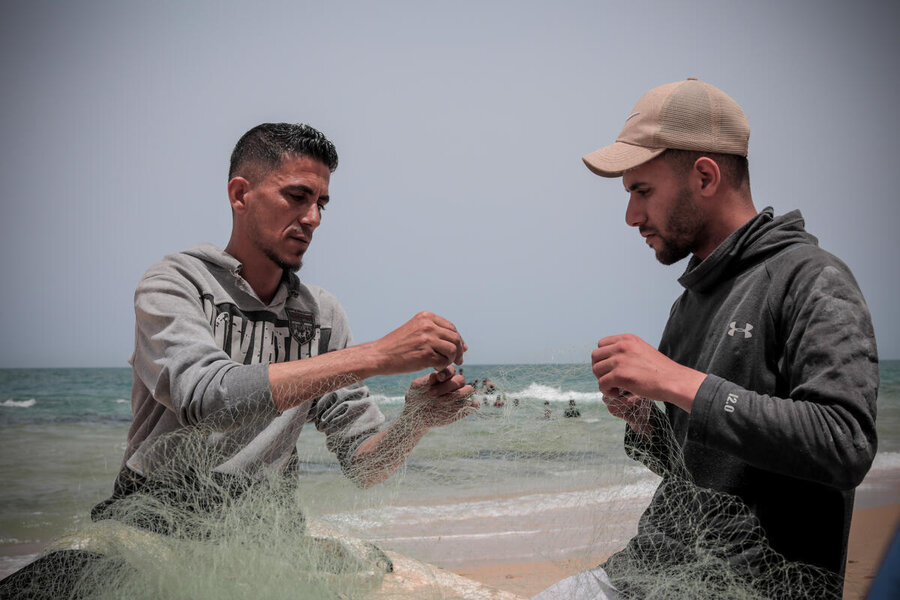
Two fishermen repair a net on a beach in Gaza.Photo: WFP / Mohammed Hinnawi
08

A fisherman keeps casting his nets as hunger gains remain fragile

Murad al-Aqra risks going to sea to feed his family. WFP reports that expanded aid has helped, but restricted access and funding gaps could quickly reverse progress.

Read the full story on Sapiens
Community members and health workers involved in the Ebola response in the Democratic Republic of the Congo.Photo: WHO Africa
09

Communities become the front line of the Ebola response

In Ituri, trained community volunteers are helping families recognize symptoms, seek care early and take part in safe, locally trusted response measures. Their work has become even more consequential as the outbreak reached 5,794 confirmed cases nationwide.

Read the full story on Sapiens

Understanding is a beginning

Choose an action
you can sustain.

Helping is not one gesture. Give where needs are greatest, use your voice for access and protection, contribute useful skills, and share information without stripping people of context or dignity.

02 · Advocate

Ask for access and protection

Contact representatives and ask them to protect civilians, restore humanitarian funding and press for safe, sustained aid access.

Use OCHA briefings as evidence
04 · Share

Share with context

Link to the original report, preserve dates and photo credits, avoid graphic imagery, and never turn a person’s suffering into a slogan.

Read Sapiens’ sourcing promise ↓