
A Sapiens soundscape atlas · Reviewed 11 October 2026
Where the world becomes silent.
Natural quiet allows rain, birds, wind and water to remain clearly audible. This atlas visits five landscapes where those sounds are still carefully protected and studied.

Begin by listening
Natural quiet is a living acoustic environment.
A Pacific wren trades calls beneath wet cedar. Fog beads and falls from a leaf. Sand moves across a dune and water travels through a fiord. These sounds become easier to distinguish when traffic, aircraft, machinery and amplified sound recede.
Scientists distinguish the physical acoustic environment from the soundscape we perceive. That distinction matters. Quiet is partly measurable, but it is also relational: one species' faint warning, one community's ceremonial voice, one child's first experience of hearing rain arrive before seeing it.
Five listening places
Across the map, quiet has a different voice.
Each landscape reveals a different acoustic world and a different form of protection: Indigenous stewardship, national parks, remote geography, urban refuge and patient monitoring.
01 · The landscapes
Five landscapes, each with a distinct soundscape.
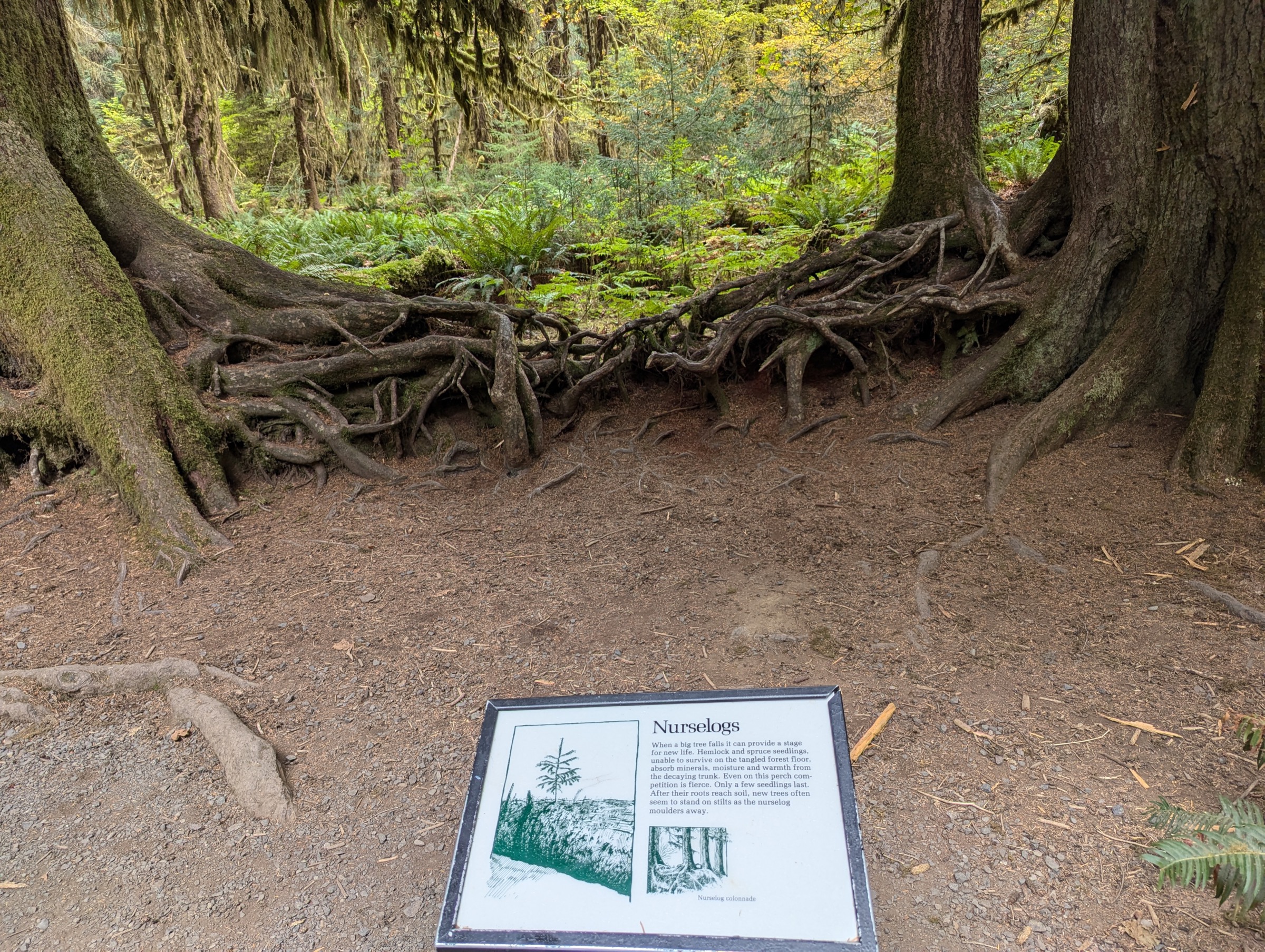

Olympic, United States. The Hoh Rain Forest holds rainfall, Pacific wren song, elk calls and the low force of the river inside layers of moss and old growth. National Park Service listening stations record both these natural voices and the incursions of traffic, construction and aircraft.
Namib-Naukluft, Namibia. Desert quiet is spacious rather than empty. Wind, insects, birds and the movement of sand can travel across an acoustic horizon with few hard surfaces to trap them. The hush changes sharply with weather and with distance from roads.
Patea / Doubtful Sound, New Zealand. There is no direct road into the fiord. Rain, waterfalls, birds and the breathing of marine mammals gather between steep walls. New Zealand's Department of Conservation calls it the Sound of Silence, while its Māori name, Patea, keeps the older human geography present.
Yangmingshan, Taiwan. Quiet can survive near a city, too. Just beyond the Taipei basin, a volcanic national park became the first designated Urban Quiet Park in 2020—a reminder that access to restorative sound should not depend on reaching the far edge of a continent.
02 · What quiet protects
Sound is essential to how people and wildlife navigate the world.
Wildlife needs acoustic space.
Animals use acoustic cues to find food, avoid predators, defend territory, court mates and keep contact with their young. Added noise can shorten the distance over which those signals work.
The body hears noise even during sleep.
WHO guidance links chronic environmental noise with sleep disturbance, cardiovascular risk, cognitive effects, stress and reduced well-being. Access to quiet also varies sharply between communities.
Soundscapes hold language, work and ceremony.
Language, ceremony, work and oral history belong to soundscapes too. Protecting quiet should never mean erasing the communities whose knowledge and stewardship kept a landscape intact.
Lower noise reveals environmental signals.
When the loudest layer recedes, people can hear rain approaching, wings turning or a stream behind trees. These details offer practical information as well as a richer sense of place.
03 · The first wilderness designation
At the Zabalo River, quiet is inseparable from the Cofán Nation.
In 2019, a stretch of Amazon forest along Ecuador's Zabalo River became the first Wilderness Quiet Park recognized by Quiet Parks International. Listening surveys supported the designation. Long before that recognition, the Cofán people defended a living territory where forest, river, animals and community remain connected.
That is the more honest model for conservation. A map can identify a quiet interval; it cannot explain who kept it possible. Recognition is useful when it supports Indigenous authority, cultural continuity and locally led livelihoods rather than turning a homeland into an empty backdrop for outsiders seeking escape.
04 · Field recordings
Listen to the landscapes.
Hear rain through the canopy, Pacific wrens and other birds recorded on the Hoh River Trail.
Sound galleryAcross the U.S. national parksMove from coyotes and waterfalls to wind, weather and the human sounds held in park history.
Place guidePatea / Doubtful SoundRead the official account of a remote fiord without direct road access, protected within Fiordland National Park.
A note on the claim
There is no single quietest place on Earth.
Sound changes by minute, season, weather and listening method. Every designation remains vulnerable to new roads, aircraft and development. These places offer five documented views into natural quiet across very different landscapes.
Read and listen further
Sources and recordings.
Olympic National Park soundscapes
Field recordings from the Hoh River Trail, coastal stations and mountain landscapes, with notes on how the park monitors natural and human sound.
Open the sourceWhy sound mattersNational Park Service natural sounds
An accessible account of how wildlife uses sound to communicate, hunt, mate, protect young and understand habitat.
Open the sourcePublic healthWHO environmental-noise guidance
Evidence-based guidance on the effects of chronic environmental noise on sleep, cardiovascular health, cognition and well-being.
Open the sourceA living designationZabalo River Wilderness Quiet Park
The Cofán Nation's Amazonian territory became the first place awarded Wilderness Quiet Park status in 2019.
Open the source