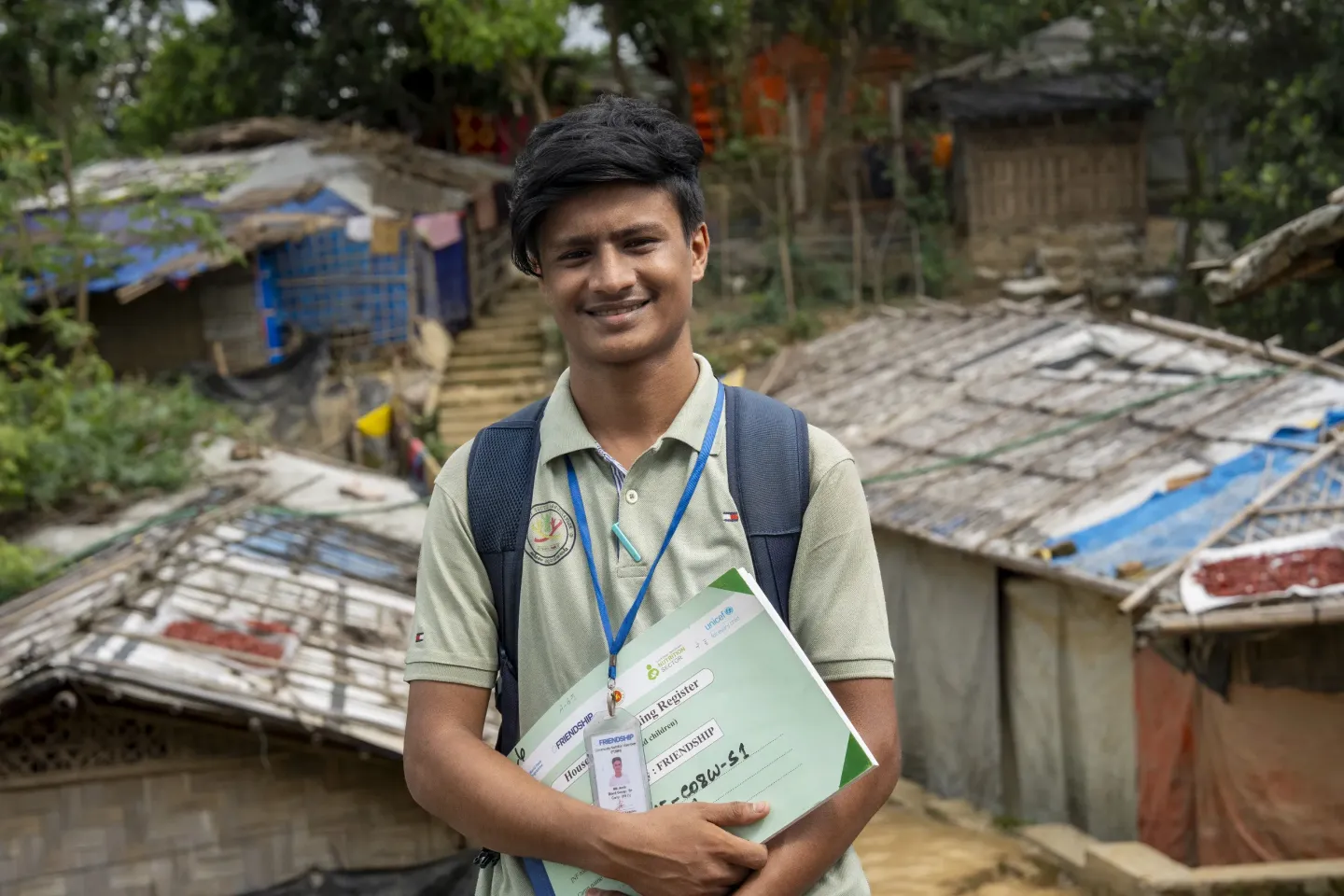
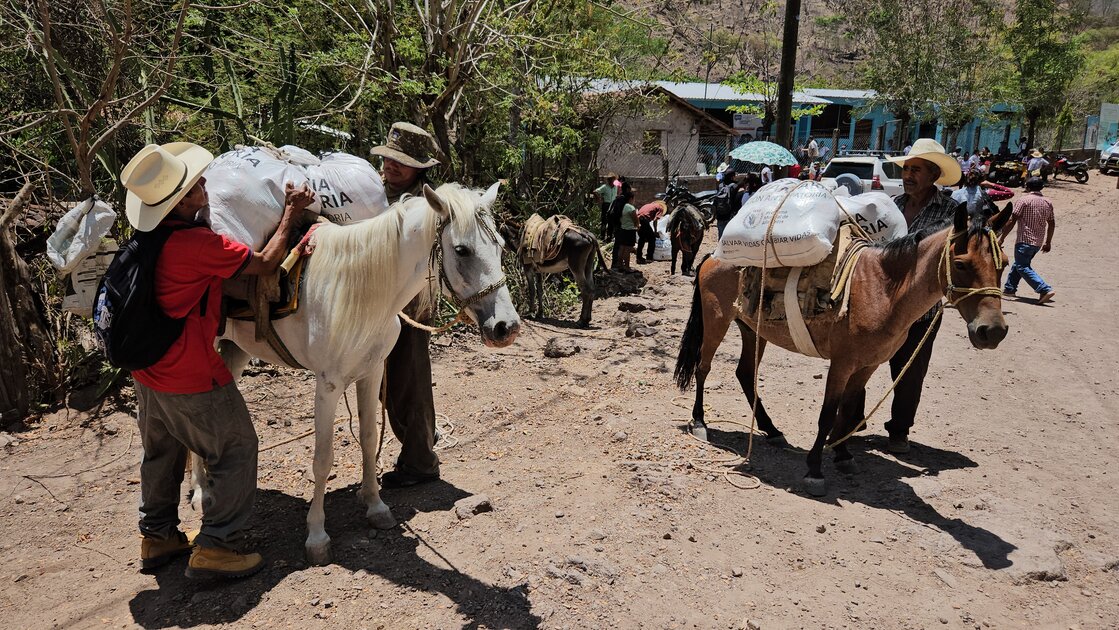
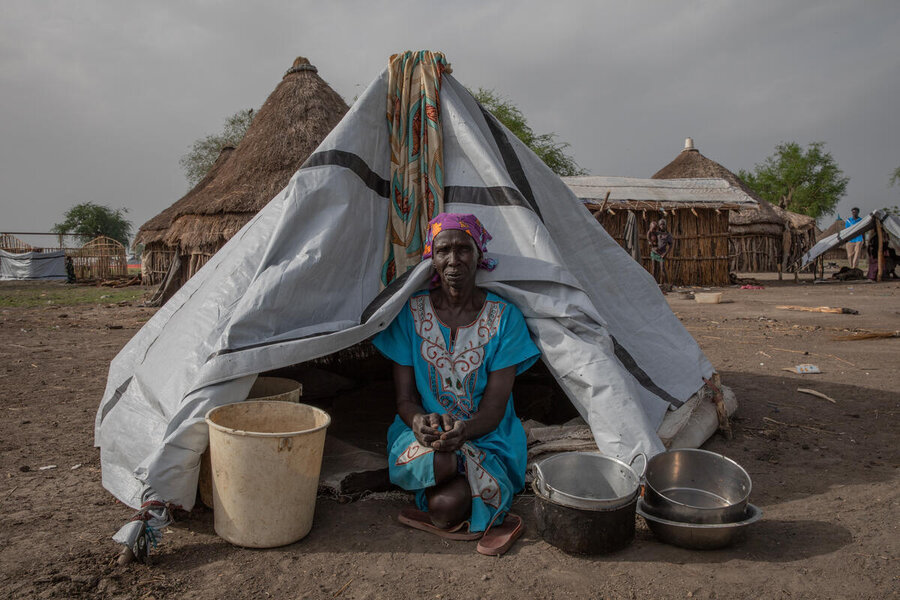
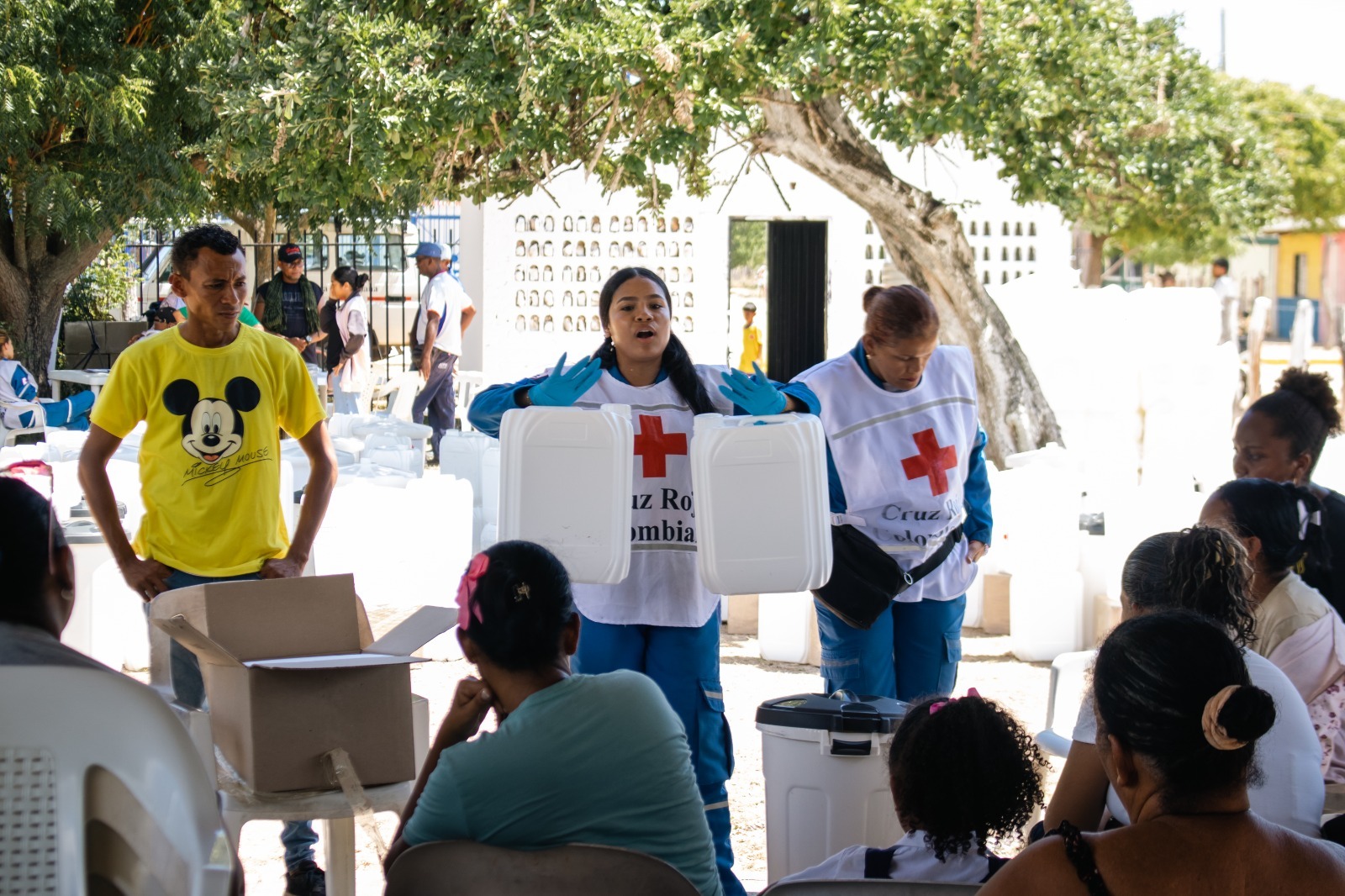
Photo: WFP
Sudan
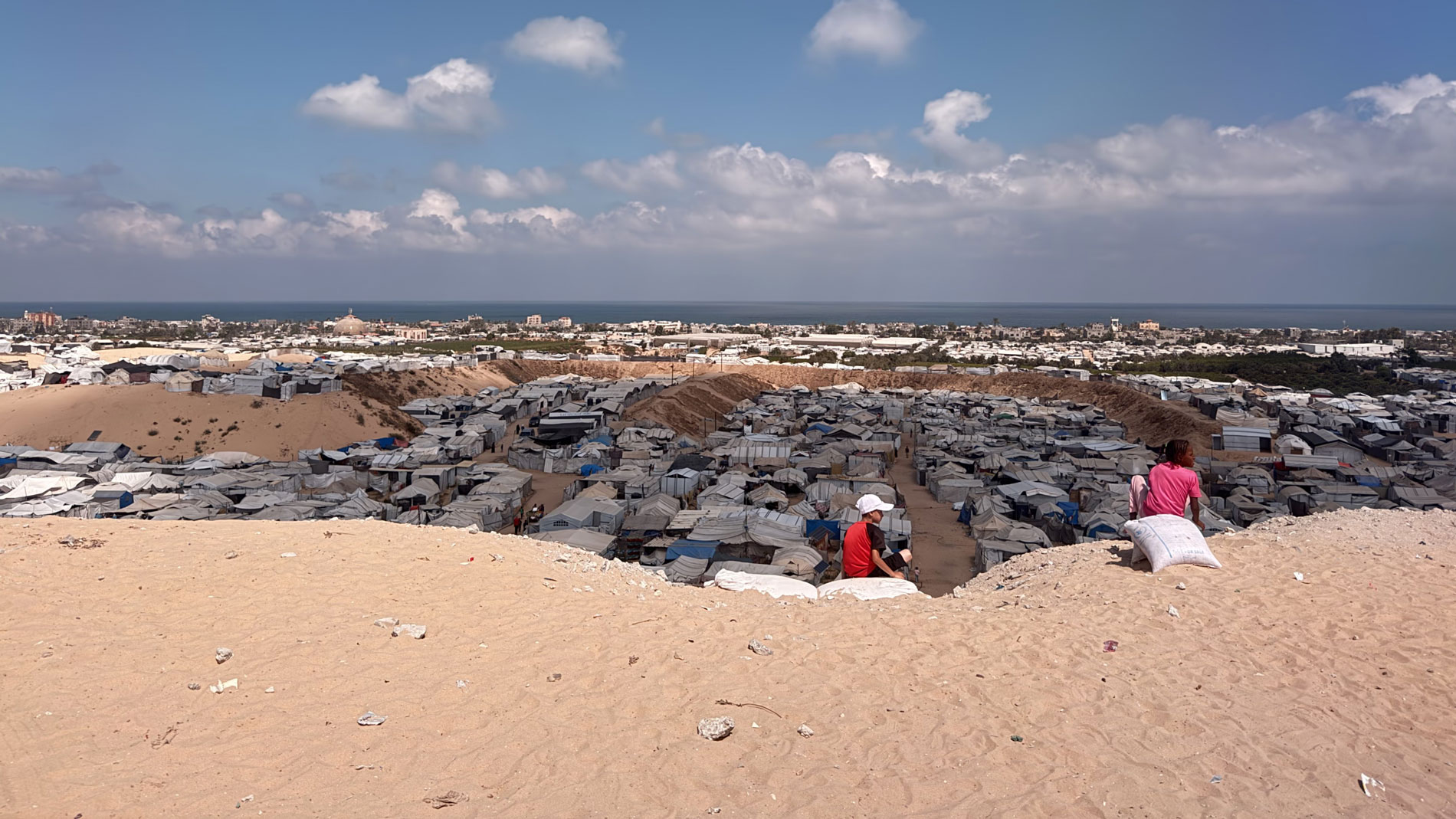
Conflict continues to disrupt access to food, health care and safe shelter.
- Armed conflict
- Mass displacement
- Food insecurity
SAPIENSA living humanitarian atlas
Explore what is happening, meet the people it affects, and discover credible ways to help.
Conflict continues to disrupt access to food, health care and safe shelter.
View original UNHCR updateLive alerts refresh every 12 hours. Editorial features are published only when dated within the last 90 days.
Places in focus
Select a place for a concise view of the pressures people are facing. Each summary links back to the original humanitarian source.

Photo: WFP
Conflict continues to disrupt access to food, health care and safe shelter.
Behind every signal is a human story
Lives, not statistics
These accounts are summarized from the original humanitarian publishers. Names, testimony and photographs remain with their sources.
Photo: WHO AfricaIn Ituri, trained community volunteers are helping families recognize symptoms, seek care early and take part in safe, locally trusted response measures.
Read at WHO Africa
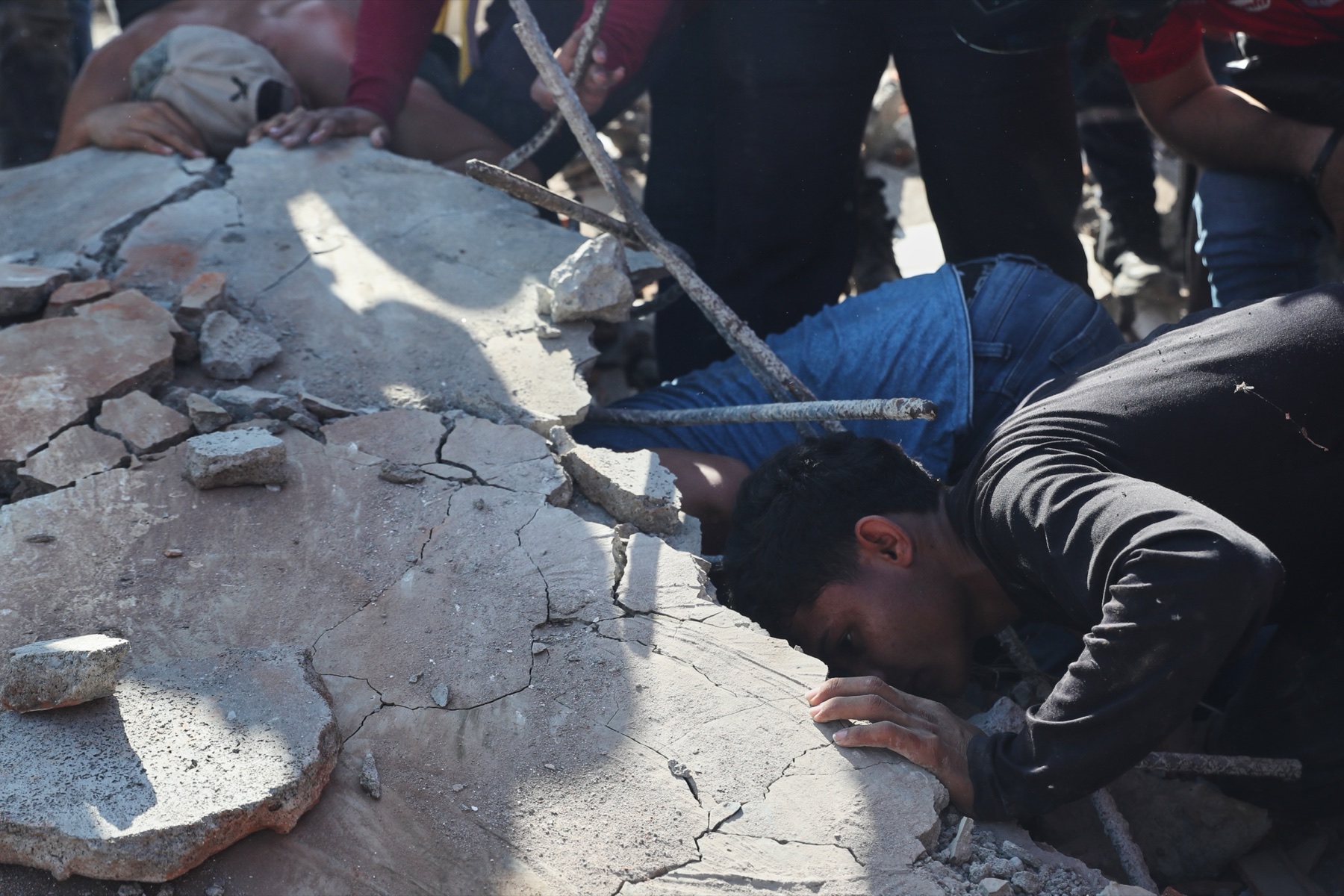
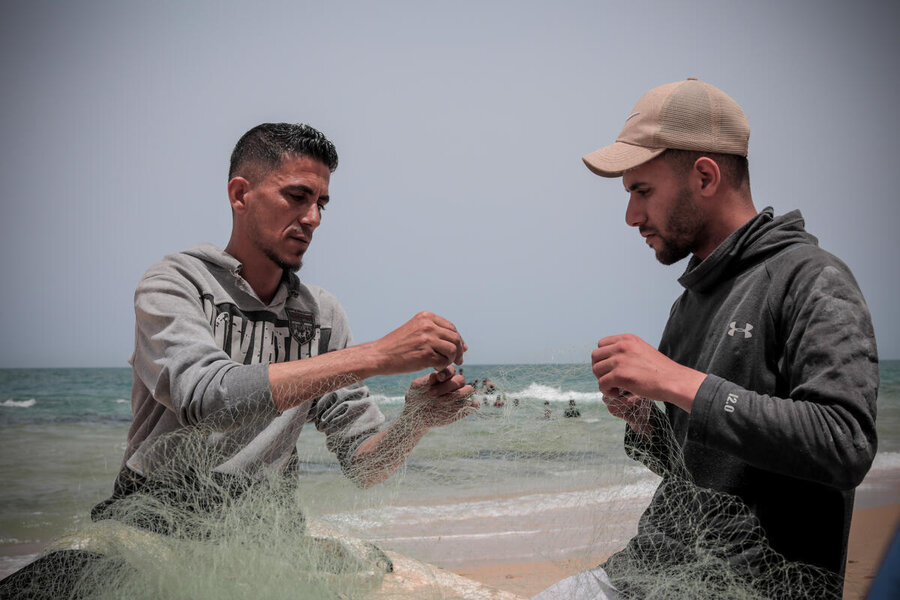
Photo: WFP/Mohammed HinnawiMurad al-Aqra risks going to sea to feed his family. WFP reports that expanded aid has helped, but restricted access and funding gaps could quickly reverse progress.
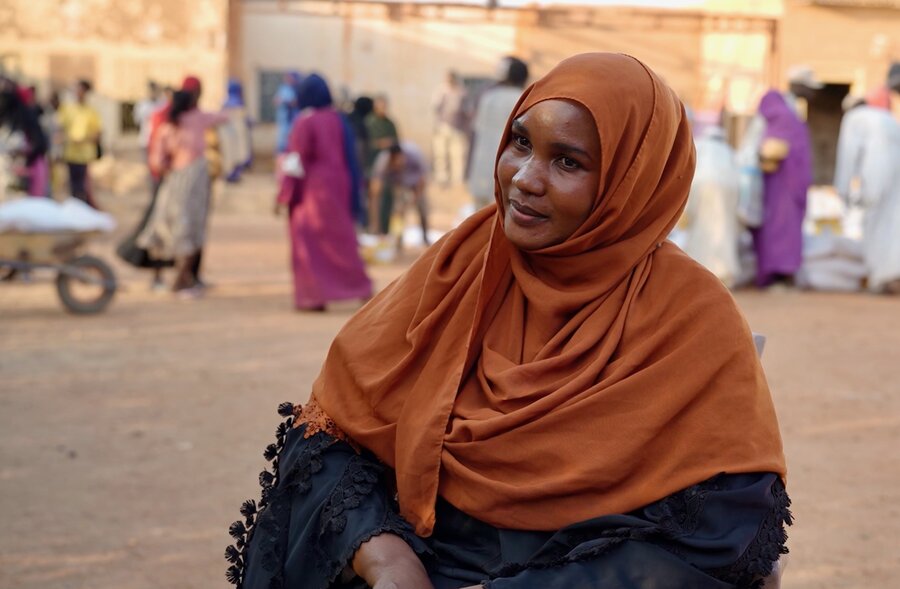
Read at World Food ProgrammeNew arrivals are stretching camps, food, fuel and water supplies beyond capacity while funding shortages force WFP to provide reduced rations.
Read at World Food Programme
Photo: UNICEF/MilanesA UNICEF-contracted warehouse near Kyiv was damaged, destroying generators, drinking water, hygiene kits and other supplies for frontline communities.
Read at UNICEFUnderstanding is a beginning
Helping is not one gesture. Give where needs are greatest, use your voice for access and protection, contribute useful skills, and share information without stripping people of context or dignity.
Flexible monthly support lets responders move resources as conditions change.
Contact representatives and ask them to protect civilians, restore humanitarian funding and press for safe, sustained aid access.
Use OCHA briefings as evidenceTranslation, research, mapping, communications and technical skills can support verified organizations remotely or locally.
Link to the original report, preserve dates and photo credits, avoid graphic imagery, and never turn a person’s suffering into a slogan.
Read Sapiens’ sourcing promise ↓